Kill Chain
Overview
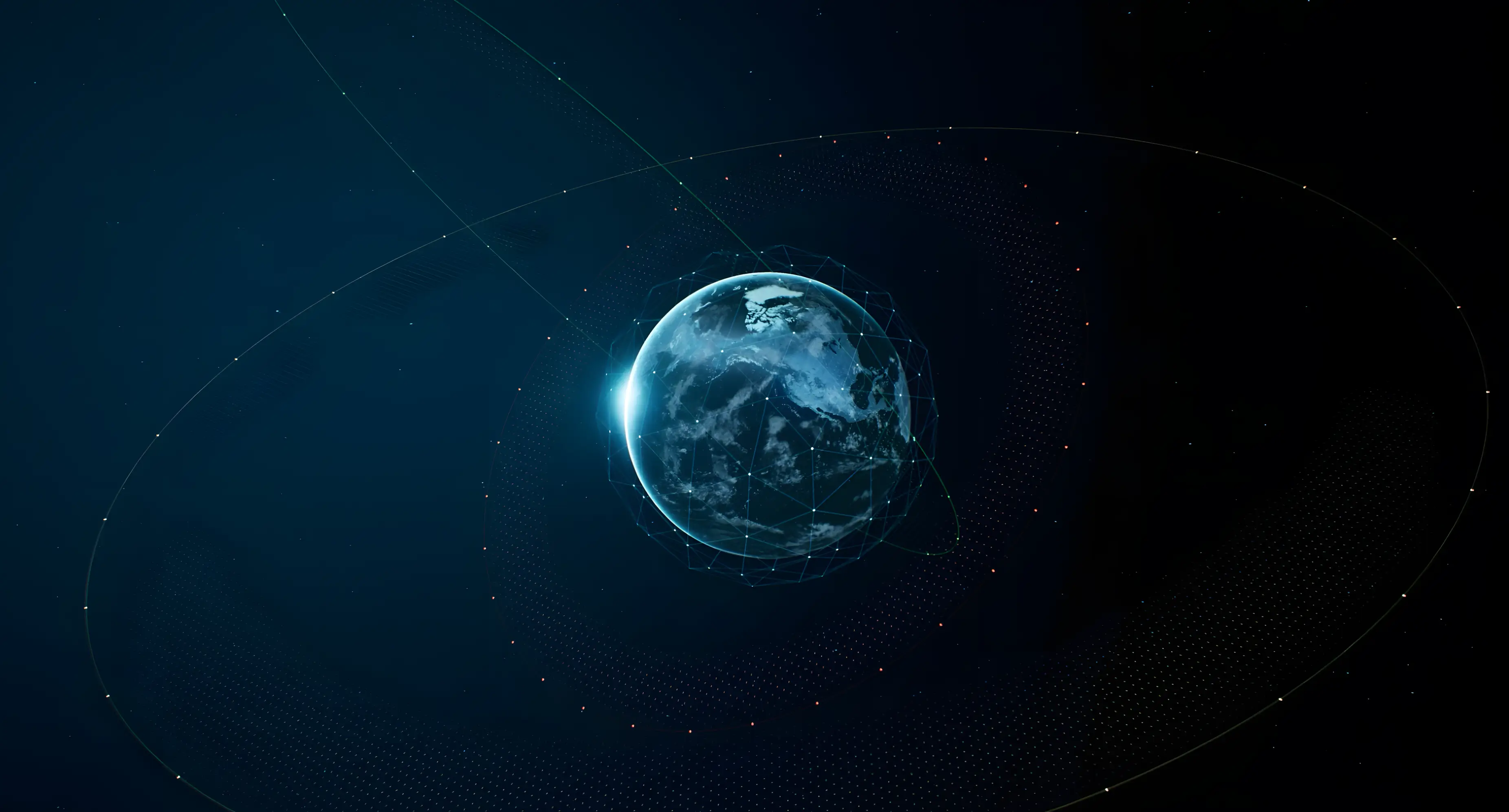
Space-Enabled Long-Range Kill Chain Experience. Designing an immersive command simulation that transforms a complex defense architecture into a clear, interactive mission journey. The experience connects orbital sensing, threat detection, tracking, targeting, engagement, and assessment across synchronized tablet controls and large-format visualization, helping participants understand how multiple systems work together across the full mission chain.
Client
Lockheed Martin
Role
UI/UX, Interaction & Motion Designer
Impact
Translated a highly technical six-stage mission architecture into a synchronized 3–5 minute interactive experience, combining guided decision-making, orbital visualization, and cinematic system storytelling within a compact experiential platform.
Global Footprint
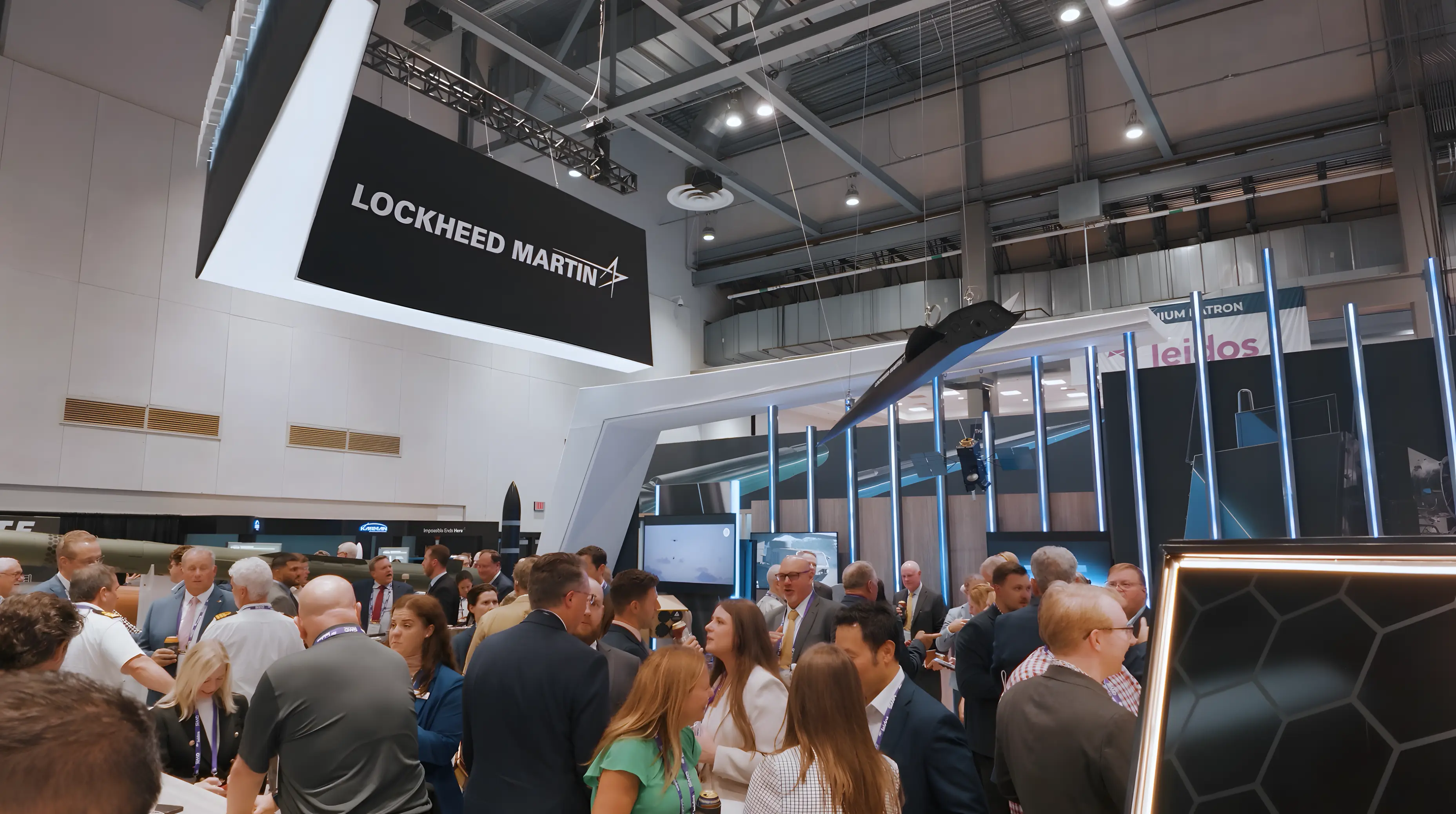
SMD Symposium • AFA National Convention
Transforming a Complex Defense Ecosystem into a Guided Multi-Orbit Mission Experience. We designed the experience around the operational flow of the kill chain, translating a highly technical defense architecture into a clear, step-by-step interactive mission. Rather than presenting Lockheed Martin’s capabilities as isolated systems, the experience frames them as part of a connected operational ecosystem, where each stage builds on the last. The journey begins with the broader mission architecture, then reveals how HEO, GEO, MEO, and LEO assets work together to provide persistent coverage, accelerate threat detection, and move critical information across domains.
Guided Mission Framework
Structures the experience around a clear operational sequence, allowing users to follow the mission from initial awareness through coordinated response.
Multi-Orbit System Visualization
Transforms complex orbital relationships into an intuitive visual model, showing how different space layers contribute to a connected mission architecture.
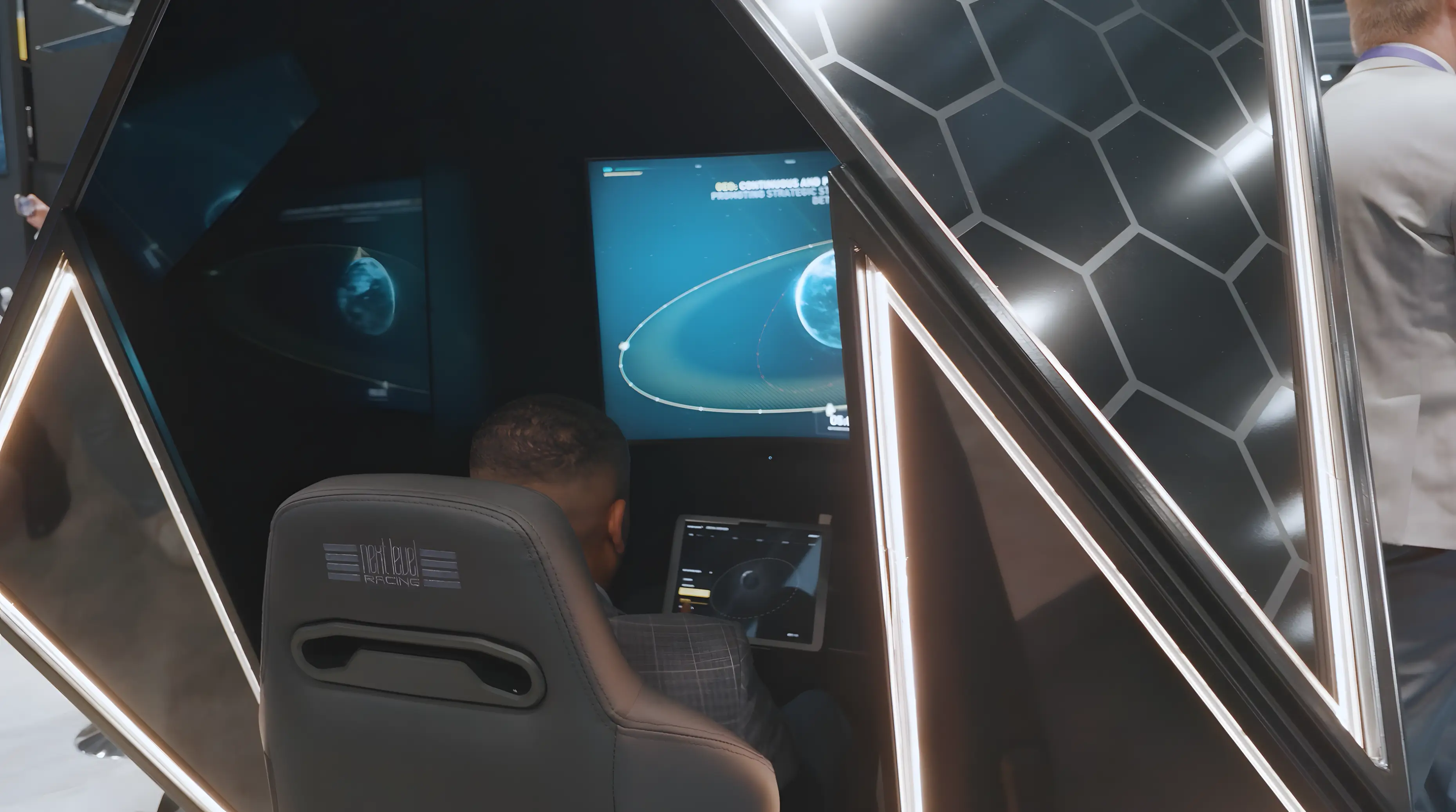

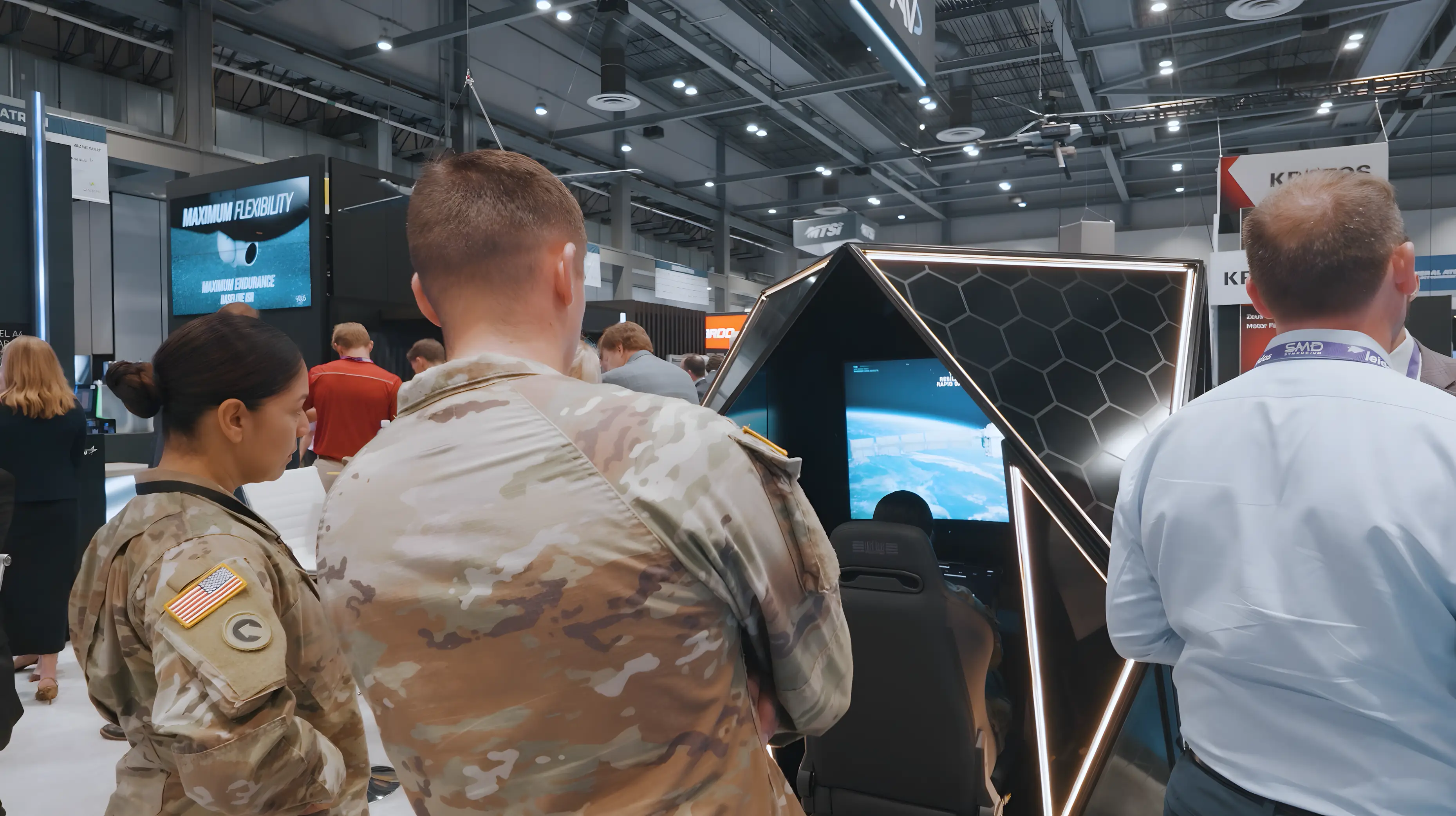
Showing How Detection Becomes Tracking, and Tracking Becomes Actionable Intelligence. As the experience transitions from orbital exploration into an active threat scenario, the interface visualizes how information moves rapidly across systems to maintain awareness and reduce uncertainty. Detection events, warning states, and orbital handoffs introduce urgency, while progressive tracking views show how broad sensor awareness becomes increasingly precise. By connecting detection, data transfer, tracking, and identification into one continuous flow, the experience demonstrates how distributed capabilities can support faster, more informed decision-making.
Threat Detection & Data Handoff
Visualizes how critical mission data moves across orbital layers to maintain threat custody and preserve operational momentum.
Tracking & Identification
Refines broad sensor awareness into a more precise operational picture, showing how multiple systems contribute to verifying and identifying a threat.
Bringing Distributed Capabilities Together into One Coordinated Response. The final phase turns situational awareness into coordinated action. Information gathered across space and other domains converges into a unified operational picture, guiding users from threat assessment through engagement, interception, and final mission evaluation. Rather than ending with visualization alone, the experience closes the loop by showing how connected capabilities work together across the full mission sequence, reinforcing the value of an integrated system designed to shorten the path from detection to decision and response.
Coordinated Engagement
Connects the unified operational picture to a focused response flow, guiding users through the transition from decision-making to engagement.
Assess & Resolve
Completes the mission with interception and assessment, demonstrating how an integrated system carries the experience from initial detection through final resolution.
More works